


The global Halal industry is expected to grow exponentially, supported by the growth of the Muslim population and a shift in demand globally from both Muslims and non-Muslims towards ethical consumption. Thus, the Halal Industry Master Plan 2030, aims to capitalize on this opportunity by leveraging Malaysia’s Halal industry infrastructure towards becoming the global leader of the Halal industry. In view of the impact of the Covid-19 pandemic, the initial draft of HIMP 2030 was revisited to accommodate the recent development in the Halal industry as well as improvising the initiatives for a more targeted and effective outcome.
In order to capture this opportunity and ensure that the rakyat continues to prosper, several high-impact and bold measures have to be taken to sustain the long-term benefit of all. These measures are in line with nationwide initiatives by the Government of Malaysia to accelerate Malaysia’s transition to a more knowledge-based economy and to increase the national standard of living. This Master Plan shares similar objectives as those set out in the seven Strategic Thrusts to the Malaysia MADANI pillars and thereby aims to support and enhance sustainable national economic growth.
The theme of ‘Prominent, Visible and Globalised Halal Malaysia’ depicts Malaysia’s goal to achieve economic development through leading the global Halal industry. The development of the domestic Halal industry will be outlined in this master plan to create local champions that are capable of capturing the global Halal market and positioning themselves as significant players across the Halal industry supply chain.
HALAL INDUSTRY MASTER PLAN 2030
PROMINENT, VISIBLE AND GLOBALISED HALAL MALAYSIA
OBJECTIVES
The objectives of the HIMP 2030 is to leverage and strengthen the foundation laid in HIMP 1.0 and expand domestic businesses to become global players:
To further advance Malaysia’s participation in the Halal industry globally.
To further develop a dynamic Halal industry ecosystem that will advance Malaysia’s products, integrity and know-how on a global scale.
To position the Halal industry as a lucrative and competitive business opportunity.
To contribute positively towards the growth of the economy, as well as to the overall wellbeing of society, through job creation, inclusive opportunities and adherence to sustainable and ethical practices.
VISION, THEME & MISSION
Malaysia as the Global Leader of the Halal Industry
- Robust and diversified domestic Halal industry
- Ease of doing business
- Competitive business participation
- Globalisation of Halal Malaysia
- Achieving end-to end Shariah compliance
Prominent, Visible and Globalised Halal Malaysia
- Greater positioning
- Strategic standpoint
- Comprehensive national development of Malaysia’s Halal industry
Identification of Commercially-Viable Opportunities and Implementation of Strategic Initiatives
- Encourage quality, innovative and competitive Halal industry offerings
- Develop high-performing, home-grown enterprises
- Spur sustainable, balanced and inclusive socio-economic growth
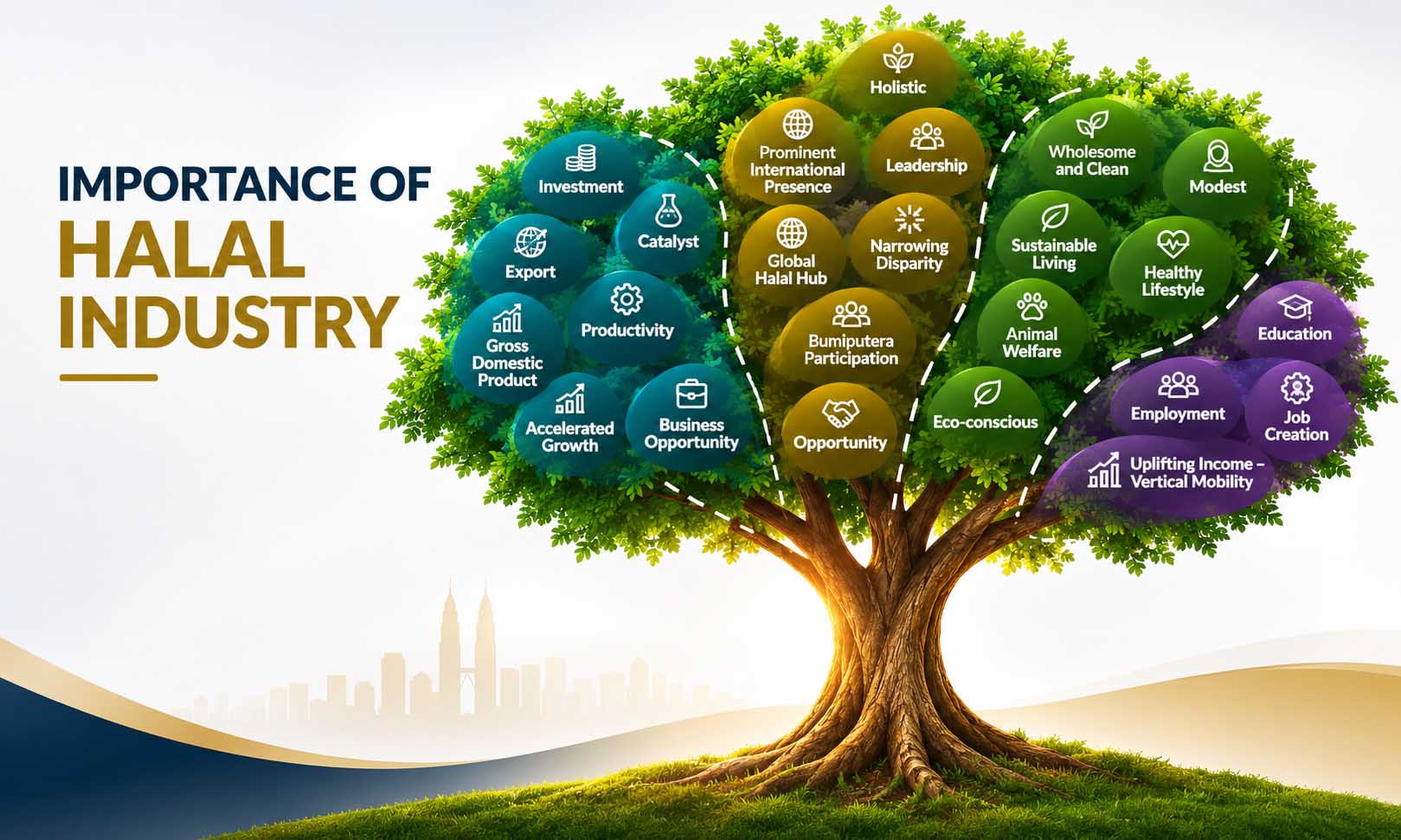
MALAYSIA’S HALAL ECOSYSTEM
The Halal Ecosystem is a network of components involved in growth cycle and delivery of Halal products or services contributing to the overall socio-economic development. Each component in the ecosystem has its own unique activities that are interrelated with each other, creating a constant evolving relationship towards sustainability.
GLOBAL MEGATRENDS’ IMPACT ON HALAL INDUSTRY
Empowerment and Erosion of Governance
Individual Empowerment has furthered consumer purchasing decisions towards sustainable and ethically sourced Halal products and services for young, tech-savvy consumers.
The Erosion of Governance reduces institutional effectiveness as individuals are more empowered to make their own market-based decisions.
KEY TRENDS- The growth in healthier and more environmentally sustainable Halal brands
- Market regulators becoming more responsive to changes in the global Halal market
- The usage of blockchain technologies to make Halal traceability more effective
Hyperconnectivity and Disengagement
Hyperconnectivity reflects the growth of connective technologies on individuals, supply chains and ideas, impacting how Halal goods are marketed to mass audiences.
Disengagement reflects the reducing importance of physical engagement to solve problems, affecting how consumers interact with businesses.
KEY TRENDS- The shifting focus towards eCommerce and online platforming for Halal goods
- New technology encourages venture capitalism in Halal industries
- Digital transformation is needed for Halal producers across various sectors
Blurring Boundaries and Displacement
Blurring Boundaries is a rising trend whereby trade integration and agreements shape the way Halal producers strategise their inputs and export markets.
Displacement reflects the growing migration of peoples towards higher income societies, creating new markets for Halal goods and services as their lifestyles are imported.
KEY TRENDS- Increasing trade connection within the OIC amid new infrastructure networks
- Seamless cross-border transaction fuels growth in international Islamic finance
- The growth of eCommerce and OTA services strengthens the global Halal ecosystem
Polarisation and Aging
The Polarisation of ideological opinions and socio-economic groups between Muslims and Non-Muslims, diverging in the interest of Halal branding.
Aging refers to the levelling off of population growth and the shifting demands between generations as more elderly Muslims increase demand for Halal medicines and healthcare.
KEY TRENDS- Rising elderly Muslim population increases demand for Halal-certified APIs
- The need to reposition Halal branding towards food safety over religious considerations
- New connective technology in healthcare allows for more digital health services
Scarcity and Dematerialisation
The Scarcity of Earth’s natural resources amid a growing Muslim population can create shortages in Halal consumer goods, requiring a focus on sustainability.
Dematerialisation refers to the shifting of economic value structures from the physical to the intellectual and intangible, while reducing required inputs through a circular economy.
KEY TRENDS- The emergence of digital assets as a storage of value and facilitate transactions
- The need to incorporate circular economy principles to the Halal product supply chain
- The adoption of ICT tools and IR4.0 among Halal producers to enhance productivity
HALAL INDUSTRY CORE SECTORS
 Cosmetics & Personal Care
- Private Labelling
- Plant-based Products
- Male Grooming
- On-demand Consumer Services
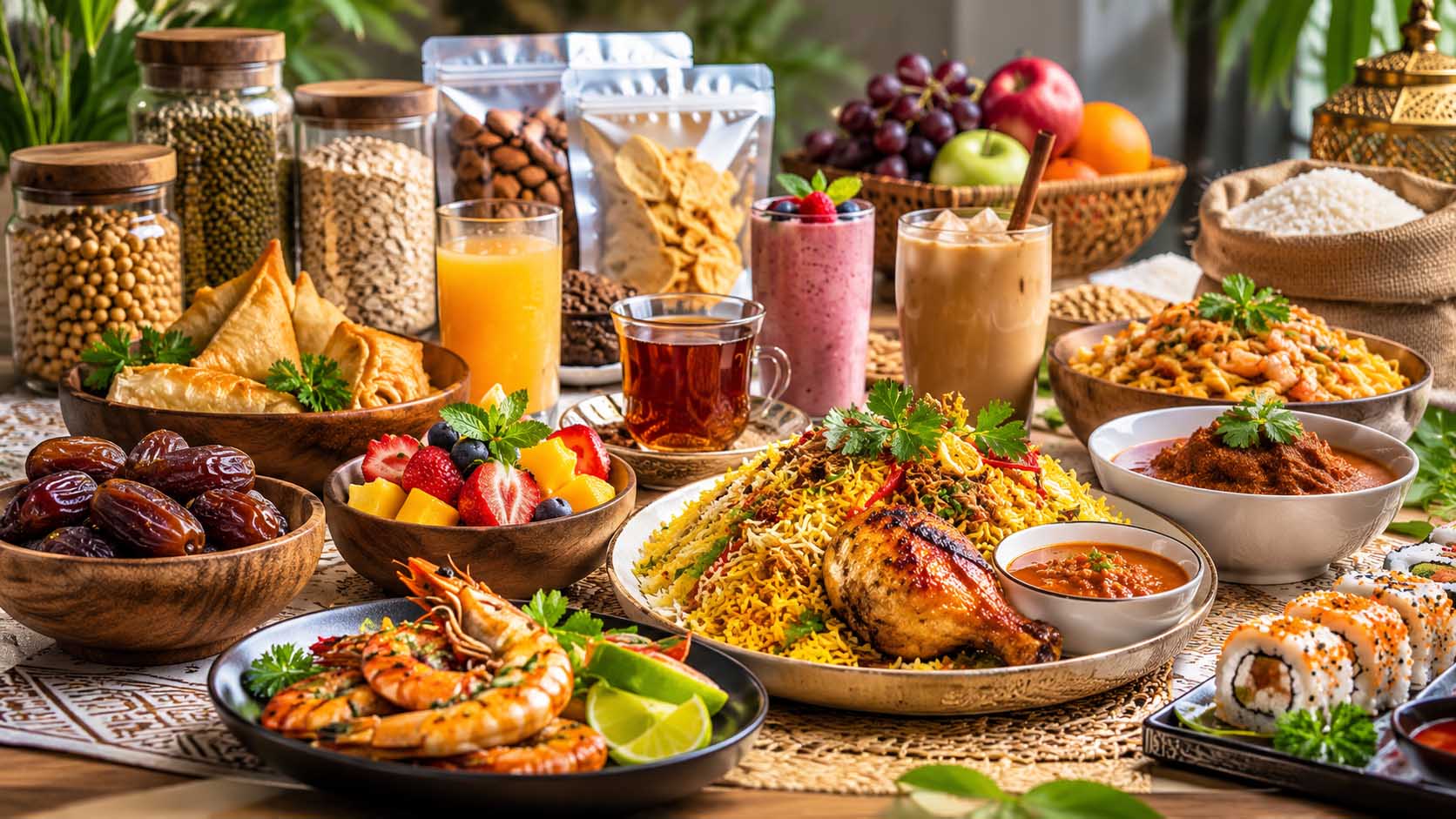 Food & Beverages
- Processed Food
- Oils and Fats
- Organic Food
- Alternative Ingredients
 Pharmaceuticals
- Biopharmaceutical
- Nutraceuticals
- Preventive Medicine
EMERGING SECTORS
Emerging opportunities in the Halal industry include new economic sectors which are increasingly embracing Halal values in their operations.
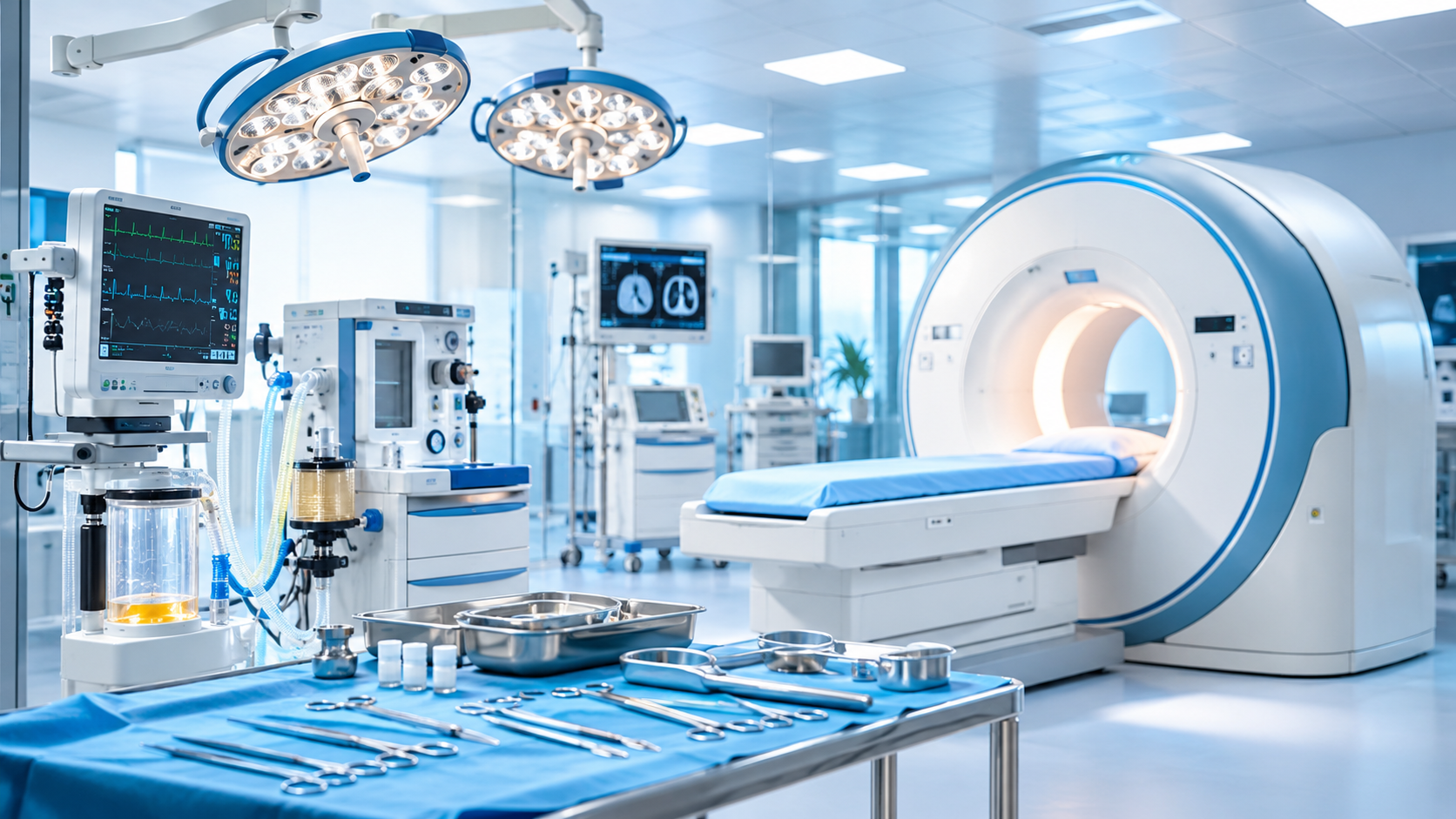 Medical Devices
- Bone/Skin Graft
- Surgical Mesh
- Suture
- Prosthetics
- Consumables
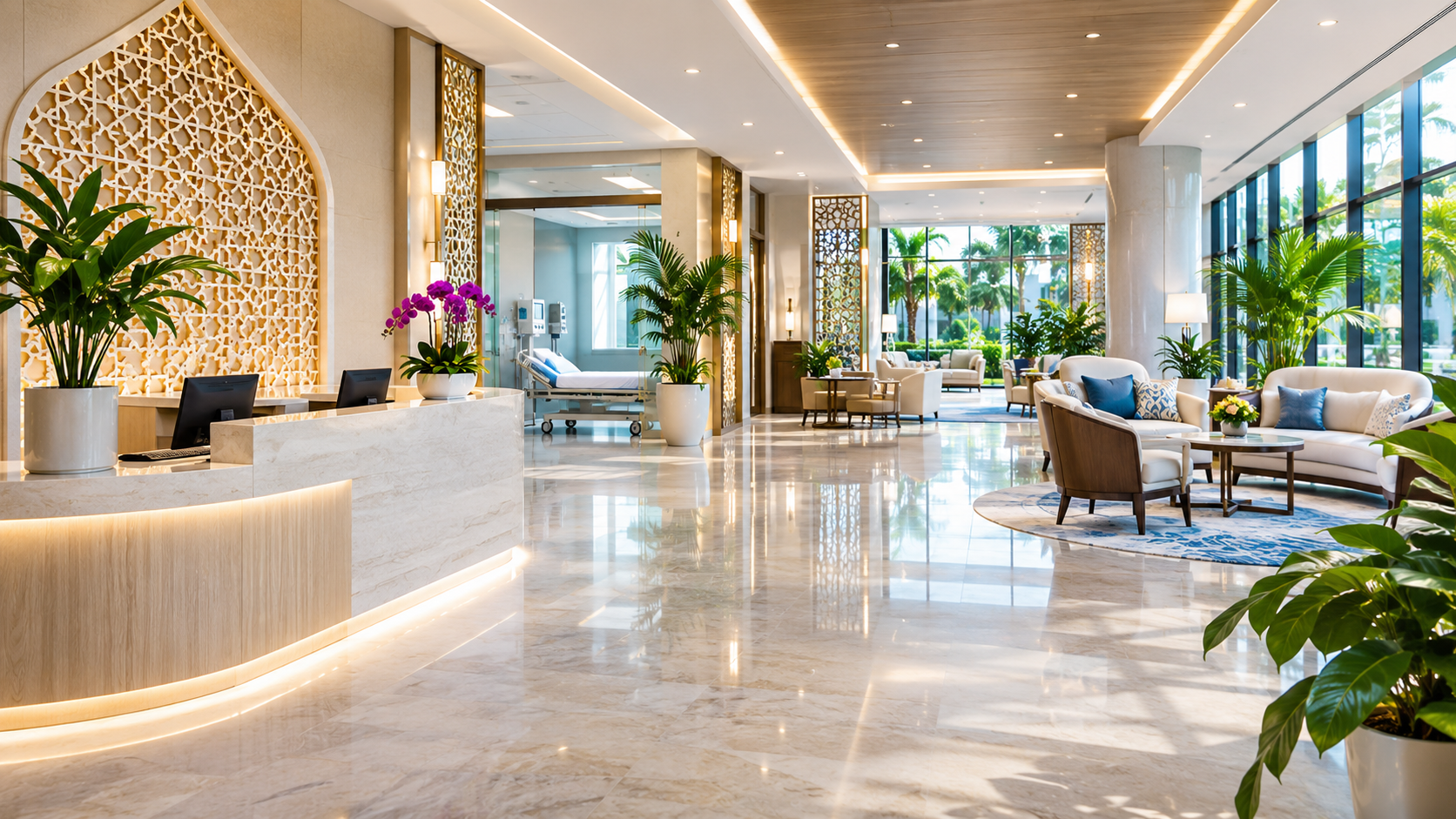 Medical Tourism
- Health Treatments
- Rehabilitation Services
- Wellness Facilities
- Nursing Home
 Modest Fashion
- Hijab
- Abaya
- Thawb
KEY ENABLERS
Technology & Innovation
Strong focus of encouraging Halal innovation through the technological advancement of IR 4.0, IoT, Blockchain, FinTech and Big Data to ensure Halal products go through an entirely verified supply chain.
Talent Development / Upskilling Services
Competent Halal professionals and Halal experts to support comprehensive and future developments of the Halal ecosystem through the alignment of the Halal occupational framework.
Standards, Accreditation and Certification Services
Robust standardisation & conformity assessment services ensuring the credibility of the Halal Supply Chain, resulting in recognition and acceptance of the conformity assessment results, to contribute to the efficiency and effectiveness of the Malaysia Halal ecosystem in order to cater the needs of Halal emerging markets that will increase global trust.
Access to Islamic Finance
Accessibility to financial support for players in the Halal Supply Chain encouraging and supporting participation growth in the Halal industry through the innovation and promotion of a hybrid Islamic financing structure. In addition to this, initiatives such as waqaf, zakat, takaful and ar-rahnu could further be leveraged upon to spur the growth of the Halal industry.
Logistics Services
Dedicated logistics services, from sourcing of raw materials to reaching the consumer (i.e., farm to fork), to avoid cross-contamination thus ensuring the safety and quality of Halal certified products.
STRATEGIC THRUSTS AND INITIATIVES
23 initiatives in total have been identified that anchor the 7 Strategic Thrusts and address all identified opportunities or challenges. These initiatives are also driven by the 5 key outcomes of HIMP 2030.
23 initiatives
Strategic Thrust 1: Enhancing Halal Industry-friendly Policy and Legislation
Initiative 1.1: Streamline policies and legislation related to Halal industry to better support the overall Halal business ecosystem
Initiative 1.2: Improve dynamic of Halal certification and standards scheme to complement and support commercial trends
Initiative 1.3: Strengthen global acceptance and recognition of the Malaysia Halal logo to support smoother flow of cross border trade
Strategic Thrust 2: Creating new and bigger market spaces for Malaysia’s Halal products and services
Initiative 2.1: Strengthen global cooperation with targeted distribution channels/ countries to increase the trade volumes
Initiative 2.2: Promote Malaysia Halal Brand (ecosystem and shared value) through targeted promotion methods
Initiative 2.3: Strengthen strategic collaboration with MNCs and LLCs to diversify distribution and marketing channels for Halal products
Strategic Thrust 3: Establishing a larger pool of Halal experts and professionals to meet global needs
Initiative 3.1: Enhance competency of Halal experienced and skilled workers based on a governmental backed recognition framework
Initiative 3.2: Incorporate Halal technical, vocational knowledge into major educational and training program
Initiative 3.3: Foster the development and recognition of Halal Professionals in technical and scientific field
Strategic Thrust 4: Enhancing quality and integrated infrastructure development
Initiative 4.1: Establish HALMAS Halal Park as the preferred destination for Halal related investment
Initiative 4.2: Introduce innovative support services and facilitation for the sustainable investments
Initiative 4.3: Enhance effectiveness of shared facilities to improve Halal Supply Chain connectivity
Initiative 4.4: Foster integration of digital platforms to support Halal related businesses
Strategic Thrust 5: Fostering Thought Leadership
Initiative 5.1: Strengthening Malaysia Halal Ecosystem as the global benchmark for industry best practices and trendsetter
Initiative 5.2: Improve Halal data analytic capability to produce informed decision and acquire industry foresight
Initiative 5.3: Improve capability to produce Halal specific intelligence information to support policy making and business development strategy
Initiative 5.4: Increase inclusion of Science, Technology and Innovation into Halal industry related development agenda
Strategic Thrust 6: Producing more home-grown Halal Champions
Initiative 6.1: Increase the competitiveness of Malaysian MSMEs to produce high value-added Halal products and services
Initiative 6.2: Encourage Government-Linked Investment Companies (GLIC) and Venture Capital (VC) to invest in Malaysian Halal MSMEs to accelerate growth
Initiative 6.3: Strengthen Halal Home Grown Champion brand to encourage participation from local MSMEs to Halal industry
Strategic Thrust 7: Facilitating More Competitive Bumiputera Participation in the Halal Industry
Initiative 7.1: Fostering stakeholder collaborations to stimulate Bumiputera contribution in the industry
Initiative 7.2: Industrialise Bumiputera cottage industry to elevate business and income
Initiative 7.3: Enhance enablers towards sustainable Bumiputera participation in the Halal industry
KEY OUTCOMES
Robust and Diversified Domestic Halal Industry
Comprehensive ecosystem that is able to sustain the rapid expansion of the domestic Halal industry and transform it into a key economic contributor to Malaysia’s GDP.
Ease of Doing Business
Business environment that encourages participation and attracts both Domestic Direct Investment (DDI) and Foreign Direct Investment (FDI) into the country.
End-to-end Shariah Compliance
To adopt and lead in the end-to-end Shariah compliance of Halal supply chain and gaining international acceptance and acknowledgement as a prominent industry leader and reference point in term of industry compliance.
Globalisation of Halal Malaysia
Positioned as a main player in the global Halal industry, gaining international acceptance as a prominent reference centre and fostering strategic partnerships and alliance internationally.
Competitive Business Participation
Competitive Halal industry consistently innovates and produces products and services that suit the industry needs. Furthermore, MSMEs will play a key role as one of the main drivers of the growth of the Halal industry.
HALAL INDUSTRY PERFORMANCE INDICATOR
7.4% GDP
RM108.5 billion10.8% GDP
RM231.1 billionCumulative HALMAS Investment
RM25.0 billion100% of 2030 target valueValue Add
RM164.8 billionValue to consumers (Gross output less inputs, “economic profit”)
100% of 2030 target valueHalal Export
RM75.2 billionValue of exports
100% of 2030 target valueRevenue
RM631.8 billion“Gross output” (industry revenue) earned by Halal businesses
100% of 2030 target valueEmployees
690,000Number of employees in the industry
100% of 2030 target valuePERFORMANCE COMPARISON: 2022–2030
Explore and compare the Halal Industry Performance Indicators.
Source: HIMP 2030 Executive Summary. The 2025 and 2030 figures are master plan targets, not verified achievements.
RESOURCE CENTRE